If you’re wondering why your appliances aren’t working as efficiently as they used to, mineral buildup could be the culprit.
A descaling solution helps remove limescale and mineral deposits that clog up your devices.
By understanding what it is and how to use it, you can keep your appliances running smoothly and extend their lifespan.
Keep reading to learn everything you need to know about descaling solutions.
Why Your Appliances Need Descaling (And What Happens When You Skip It)
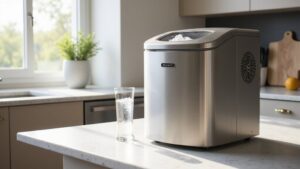
Scale buildup acts as an insulating layer on heating surfaces, which causes your appliances to become less energy-efficient. As a result, they have to work harder and consume more electricity or fuel to reach the desired temperature. This not only raises your utility bills but also increases internal temperatures, raising the risk of overheating or component burnout. You’ll notice poor heating performance too: coffee brews cooler, water heaters provide less hot water, and pipes experience reduced flow pressure as scale narrows their diameter. In ice makers, scale can also clog the water line, requiring you to carefully defrost the line to restore proper flow.
Over time, this extra strain accelerates wear on pumps and seals, shortening your appliance’s lifespan by up to 40%. The environmental impact grows because wasted energy results in higher carbon emissions from your household. Additionally, neglecting descaling can lead to costly repairs or early appliance replacement. Mineral deposits quietly sabotage your appliances, but regular descaling protects both your budget and the planet. For commercial ice machines, failing to descale can also lead to a shortened lifespan and frequent breakdowns due to scale buildup on internal components. Using a custom cocktail smoker kit can be a fun DIY project, but its metal components also require periodic descaling to prevent mineral deposits from affecting performance and flavor.
How Descaling Solutions Dissolve Limescale
Descaling solutions dissolve limescale through a chemical process that converts insoluble calcium carbonate into soluble salts. When the acid in the solution encounters the mineral deposit, it donates hydrogen ions to the carbonate ions. This reaction produces carbon dioxide gas, which bubbles outward as fizzing, indicating the scale is breaking apart. Simultaneously, the remaining calcium binds with the acid’s anion, forming a water-soluble salt that weakens the crystalline structure of the limescale. As a result, the deposit becomes easier to remove—usually by rinsing away the dissolved minerals—without scrubbing. You should handle these acids with care, just as park rules govern what materials are allowed inside a theme park environment for safety. For perspective on measuring how much solution you need, a gallon contains 16 cups of liquid, which helps when mixing descaling solutions for larger appliances. Whether you use citric acid or acetic acid, the core chemistry remains the same: descaling solutions do not physically scrub but chemically dissolve deposits for easier cleanup. Just as cocktail picks are chosen for their specific materials and durability, selecting the right acid for your descaling solution depends on the appliance and the severity of the limescale buildup.
How to Descale Correctly: Dilution, Contact Time, and Rinsing
To descale correctly, focus on three main steps: dilution, contact time, and rinsing. First, follow the label instructions carefully because dilution ratios vary based on the severity of scale. For heavy buildup, use a stronger mix such as 1 part descaler to 1 part water. For lighter scale, a weaker mixture like 1 part descaler to 8 parts water works better. Warm solutions typically accelerate the descaling process, but always check your product’s specifications to avoid damage. For coffee brewers with a thermal carafe, avoid descaling the carafe itself as it may damage the vacuum insulation, and instead focus on the machine’s internal water path. For countertop appliances like ice makers, always ensure the internal water lines are fully contacted by the solution to prevent loud noises from mineral blockages. Choosing a top-rated machine can further reduce the risk of scale-related issues.
Contact time is crucial: it depends on how thick the deposits are. Shower heads may need only 10 minutes, while kettles often require up to an hour. Do not rush this step—shorter contact times can leave stubborn deposits intact. Keep the surfaces fully wetted to ensure the solution penetrates and effectively breaks down mineral buildup.
Finally, rinse thoroughly with fresh water, typically 3 to 5 cycles. Proper rinsing is essential; leaving acid residue can affect taste and compromise safety. It also helps prevent future scaling by flushing away loosened minerals. Never omit this step, as incomplete rinsing can undo the benefits of descaling.
Liquid, Powder, or Vinegar: Which Descaler Is Best for You?
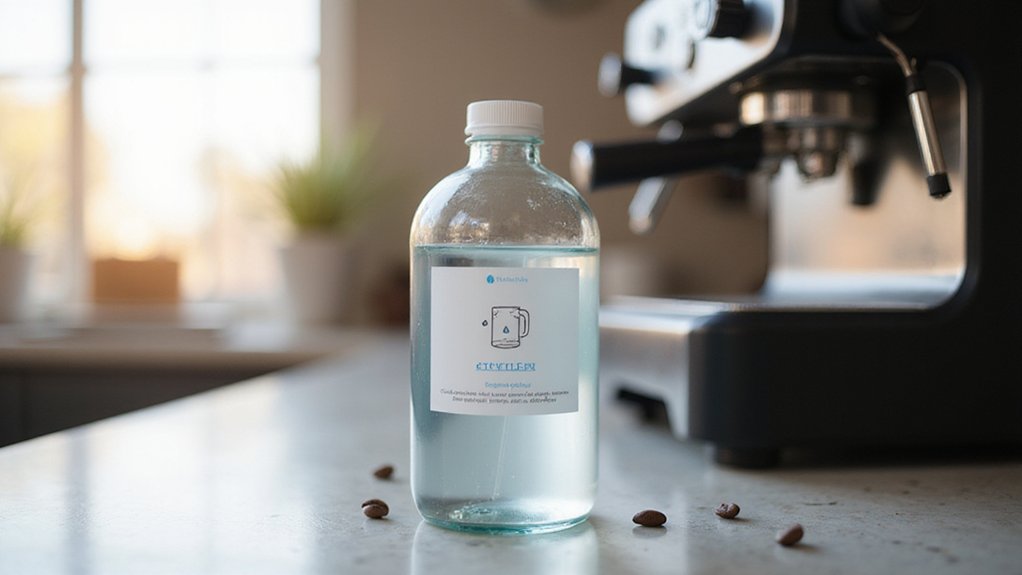
Liquid descalers are the most convenient option because you can simply pour and use immediately, making them ideal for quick maintenance. They typically come ready to use, requiring no mixing, and work quickly to break down mineral deposits. Powder descalers often offer better overall value, especially if you need to perform regular descaling, because they tend to be more cost-effective and have a longer shelf life. Vinegar, a traditional DIY remedy, works well for light buildup but may leave a strong smell that needs extra rinsing and is less effective on heavy deposits. For example, a concentrated biodegradable powder like Fortune Washing Machine Cleaner & Descaler is formulated to handle tough limescale and mineral deposits while being eco-friendly. If your appliance has a clogged dispensing valve due to scale, using a liquid descaler can help restore proper flow without disassembly.
For eco-friendly choices, opt for plant-based liquids or citric acid powders, which clean effectively without harsh chemicals. Vinegar can be a cost-saving solution for minor scaling if your appliance manual approves it, but for severe deposits or delicate machines, sticking to manufacturer-recommended products ensures safety and effectiveness. Ultimately, choose liquids for ease of use, powders for strength and economy, and vinegar as a budget-friendly, temporary fix when needed.
Top Benefits: Better Performance, Longer Life, and Energy Savings
Descaling is essential because mineral scale acts as an insulating layer, forcing your appliance to work harder and significantly reducing heat transfer. Removing these deposits restores performance by 20 to 30 percent, making your system run more efficiently. Even a thin layer of just 1/16 inch can increase energy consumption by around 11 percent, while a 1/4-inch buildup can boost costs by nearly 40 percent. Descaling involves applying chemical solutions that dissolve mineral deposits, which improves flow and heat transfer, ultimately cutting down on runtime and energy use. Additionally, regular descaling helps prevent corrosion, as mineral buildup accelerates material degradation and can lead to premature equipment failure. By removing deposits early, you can extend the lifespan of your appliances—sometimes doubling it—and reduce ongoing maintenance expenses. For ice makers, descaling also ensures nugget ice production stays efficient and free from clogs. Similar to choosing the right ice bucket for your freezer, selecting the appropriate descaling solution is crucial for optimal appliance performance. When choosing a descaling product, it helps to consult best cup paper reviews for insights on maintaining clean equipment surfaces. Overall, descaling boosts thermal efficiency, lowers operating costs, and ensures your heating systems operate faster, cheaper, and more reliably.
Where Descaling Matters Most: Coffee Makers, Kettles, and Steam Irons
Descaling is most important in your coffee maker, kettle, and steam iron because mineral buildup directly impacts their performance. In your coffee maker, limescale clogs narrow water tubes, making the pump work harder and reducing efficiency. It also insulates the heating element, lowering brewing temperature and dulling flavor. For your kettle, the same buildup slows boiling, wastes energy, and creates a dirty appearance. In your steam iron, mineral deposits block vents, decrease steam output, and cause brown spits on fabrics. The level of water hardness in your area influences how quickly these issues develop. For reference, a standard Red Solo Cup holds 16 fluid ounces, which can help you measure the appropriate amount of descaling solution for your appliances. Regular descaling prevents performance drops, higher energy bills, and irreversible damage, keeping your appliances working like new.