If you’re trying to decide between glass or stainless steel mixing bowls, your main concern might be ease of use and durability.
Glass bowls are great for watching your ingredients and reheating leftovers, but they can chip or shatter easily.
Stainless steel bowls are tough, resist odors, and make cleanup simple. Keep reading to see which option suits your kitchen routine best.
Glass vs Stainless Steel Mixing Bowls : Which Should You Pick?
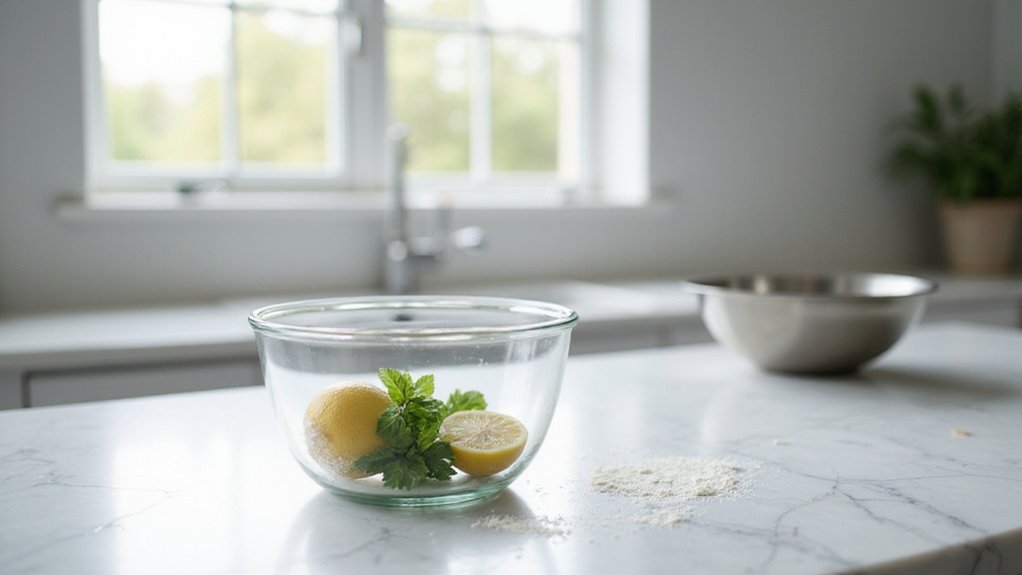
Glass bowls are generally the safer choice for material safety and visibility. They are non-reactive and won’t leach chemicals into your food, especially with acidic ingredients like citrus or tomato sauces. Plus, their transparency allows you to see ingredients clearly, reducing guesswork and ensuring thorough mixing. Quality glass bowls often have a smooth, flawless surface, which adds to their durability and aesthetic appeal. They won’t stain or retain odors over time. While glass is fragile and can break if dropped, it generally doesn’t react with food, making it a reliable, worry-free option for everyday use. For those who prioritize durability and heat retention, stainless steel bowls are similar to thermal carafe designs in resisting breakage and maintaining temperature. Stainless steel bowls are also safe and durable, handling daily tasks well without concern for breakage. They do not react with food and are easy to clean, but they lack the transparency of glass. For those needing a portable brewing option, some stainless steel bowls function like a cold brew bag for steeping ingredients directly in liquid. Both materials are suitable for safe food preparation, but if visibility and chemical inertness are top priorities, glass often comes out ahead. For an even colder mixing experience, a nugget ice maker can supply crushed ice to keep ingredients chilled without diluting flavors.
Which Mixing Bowl Performs Best for Baking and Whipping?
Stainless steel bowls outperform glass in baking and whipping tasks. They transfer temperature quickly, which helps you achieve faster foam formation and greater volume when whipping egg whites or cream. Keeping the bowl chilled boosts stability and ensures your foam holds longer. Stainless steel is also lighter than glass, making it easier to handle during repeated mixing, especially with heavy batter. For similar reasons, stainless steel bowls can be chilled to help stabilize cream, just as a chilled metal bowl is recommended for stabilizing whipped egg whites in manual coffee grinding methods. While glass bowls offer more color options and allow you to see ingredients clearly, their slower heat response can soften butter unevenly, making them less ideal for certain baking tasks. For travelers or home bakers seeking the same reliability, stainless steel bowls also mimic the temperature retention found in top-rated travel coffee tumblers, which keep beverages hot or cold for extended periods. Stainless steel’s quick temperature adjustment prevents ingredients from seizing or softening too early. It also provides a smooth, grease-free surface that is easy to clean—vital for developing stable foam or whipping delicate ingredients. For consistent, efficient results in baking and whipping, stainless steel bowls are generally the better choice. When comparing similar kitchen tools, BPA-free plastic cups offer a lightweight alternative that is also easy to handle and clean.
Why Stainless Steel Mixing Bowls Are More Durable
Stainless steel mixing bowls are more durable than glass bowls because they resist cracking, chipping, and shattering when impacted. Instead of fracturing, they tend to bend or dent, allowing them to maintain their functionality after a tough drop. Glass bowls, however, develop micro-fractures that can grow into larger breaks over time, weakening their structure. Stainless steel also handles thermal shocks well, so you can transfer it from the freezer to warm ingredients without concern. Its natural passive chromium oxide layer protects against rust and corrosion caused by acidic foods. While glass may look more attractive, stainless steel can withstand heavy whisking, repeated washing, and scrapes without losing its shape or integrity. Scratches won’t compromise its durability, unlike glass, which gradually shows hairline flaws that can lead to breakage. Ultimately, choosing stainless steel means prioritizing longevity over appearance.
Is Heavier or Lighter Better for Your Kitchen Workflow?
Lighter bowls are better for your kitchen workflow when frequent lifting and pouring are involved. While heavier bowls offer stability during vigorous mixing thanks to their weighted bases, they can become cumbersome once you need to transfer ingredients or handle the bowl repeatedly. Lighter bowls reduce hand fatigue and are easier to carry between the sink and work surface. They typically feature ergonomic grips that make pouring and maneuvering more comfortable. Additionally, their stackability saves cabinet space and simplifies cleanup. For tasks that require mobility and quick handling, choosing a lighter bowl enhances efficiency. On the other hand, if you’re mixing heavy doughs or batters that need stability, heavier bowls are the preferable option. For those who prioritize both stability and portability, cups with straws and lids offer a similar balance of convenience and secure handling for everyday use. Lighter glass bowls offer similar clarity to a glass carafe for easily monitoring ingredient consistency during mixing.
Glass Mixing Bowls Win for Microwave Use
The glass mixing bowl is the best choice for microwave use because it allows energy to pass through efficiently, ensuring your food heats evenly and safely. Unlike stainless steel, which reflects microwave energy and can cause uneven heating, cold spots, or sparks, glass allows microwave waves to penetrate and warm your leftovers or melt ingredients directly in the bowl. This means no need to transfer hot contents to another container, reducing the risk of spills or burns. Glass bowls come in a variety of styles, from clear to tinted or patterned, allowing you to select one that matches your kitchen aesthetic without compromising microwave performance. Just make sure the bowl has a clear microwave-safe label before you use it. For consistent, safe, and effective reheating or melting, glass bowls are the superior choice for microwave cooking. A proper carafe can similarly enhance the flavor enhancement of wine when decanted correctly. To maintain optimal performance, remember that regular cleaning frequency is also critical for commercial ice machines to prevent buildup and ensure safe operation. If you encounter a freezing issue, check for common causes like improper temperature settings or blocked airflow.
Are Both Bowl Materials Safe for Acidic Foods?
Glass is safer for acidic foods because it is chemically inert and won’t react with acids like tomato sauce, citrus, or vinegar-based dressings. This means you don’t need to worry about metal leaching or off-flavors, even after extended contact. Glass also offers excellent durability and heat resistance, allowing you to mix, marinate, or store acidic mixtures without degradation or concern about damaging the bowl. For tasks requiring frozen temperatures, countertop ice makers keep ice frozen effectively to maintain food safety.
Stainless steel can be suitable for brief mixing tasks, such as whisking a quick vinaigrette. However, acids increase the risk of metal release, especially with prolonged contact or stronger acids. If the bowl’s surface is scratched or oxidized, the risk is higher. For recipes where acid needs to sit in the bowl for hours or longer, glass provides a safer, more inert option to avoid potential reactions or contamination.
Cleaning, Odor, and Stain Resistance Compared
Stainless steel bowls resist odors better and rinse faster than glass ones. Their smooth, non-porous surface allows most residue to wash away with just warm, soapy water. In contrast, glass bowls often require soaking to remove dried-on food. For odor control, stainless steel is superior; it rarely retains smells from ingredients like garlic or fish. Glass bowls can trap tiny volatile compounds over time, leading to lingering odors. When dealing with heavy pigments such as turmeric, stainless steel handles staining well, though micro-etching may permit some buildup. Glass resists staining from colorful foods but needs more scrubbing to keep clean. For stubborn odors on stainless steel, a quick soak in baking soda or vinegar usually solves the problem without any lingering scent. This durability mirrors the performance of top drink coasters, which also prioritize easy cleaning and long-lasting hygiene. Similarly, the best cooler wheels on quality models ensure that surfaces remain easy to wipe down and free from grime buildup. Following a simple cleaning routine with household products like baking soda can stop buildup from returning on even the most resistant surfaces.
Can You Nest These Mixing Bowls to Save Space?
Both glass and stainless steel mixing bowls nest well to save space, but each material has its quirks. Stainless steel bowls are particularly space-efficient because their thinner walls and finer size increments allow for denser, lighter stacks. For example, a 10-piece stainless steel set can nest to just about 4.1 inches high. Glass bowls also compress well—similarly, a 10-piece set can nest to a comparable height—but they require slightly broader size steps, which can result in a taller stack overall. The FineDine set’s six sizes offer versatile nesting for various kitchen tasks. To maximize space, always stack bowls that are completely dry. Use soft separators or cloths between stainless steel bowls to prevent scratches. For glass bowls, store on stable shelves to avoid impacts that could cause breakage. Just as with nugget ice maker issues, prevention through careful handling can extend the life of your kitchen tools. For example, following expert advice on Frigidaire ice maker performance can help you avoid common breakdowns. Similarly, routine maintenance of your mixing bowls prevents unnecessary damage. To keep your nesting system organized, separate stacks by material. Combining different materials might cause poor fit or scratches, so sticking to matched sets often yields the best results. With a dedicated nesting set, you’ll free up a significant amount of cabinet space.
Which Mixing Bowl Is the Better Long-Term Buy?
Stainless steel mixing bowls are the better long-term buy because they are far more durable than glass. They resist drops, dents, and daily wear, often lasting 7 to 12 years or more with regular use. In contrast, glass bowls can chip or shatter easily and may fail within months. Stainless steel also withstands thermal shock—able to go from freezer to oven without damage—whereas glass can crack under sudden temperature changes. Maintenance-wise, stainless steel is easy to keep clean, resisting stains and odors, although hand washing is recommended to prevent scratching. While glass offers the advantage of ingredient visibility, it is less resilient and susceptible to hazardous chips. Choosing stainless steel means investing in a sturdy, versatile, and cost-effective option that suits any kitchen aesthetic, eliminating worries about fragility and frequent replacements.
How to Choose a Mixing Bowl for Your Kitchen Style
Glass bowls are ideal if you want a piece that can double as a serving dish, providing an elegant look and allowing you to see the colors of your food. They are perfect for presentations and casual gatherings. Stainless steel bowls, on the other hand, are better for efficiency-heavy prep work because they are lightweight, durable, and easy to clean. Baker-heavy kitchens often prefer stainless steel for quick mixing and handling, while glass bowls are more suitable for marinating or monitoring batter consistency. Consider your daily routines and whether you want a bowl that blends discreetly into your décor or one that makes a visual statement.