Wondering how many cups you get from a Red Solo cup? If you’ve ever needed to measure without a proper cup handy, the answer varies a bit depending on the size.
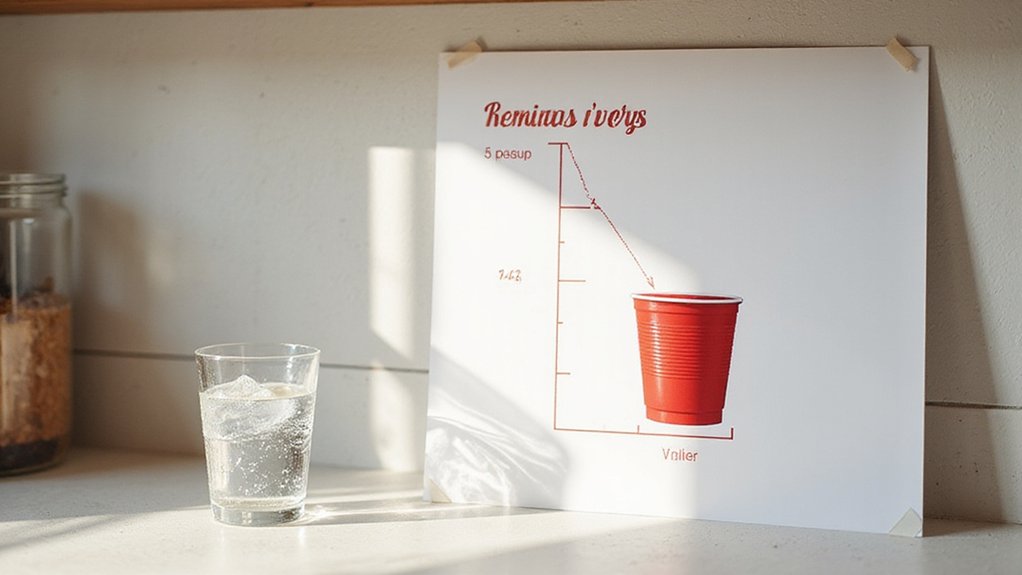
A standard 16 oz Solo cup holds around 2 ¼ cups when filled to the top, but most people pour about 1 ½ cups to leave room for ice and avoid spills.
For a full breakdown, keep reading.
How Many Cups in a Standard Red Solo Cup? The Quick Answer
A standard red Solo cup holds 16 fluid ounces. This size is printed on most product packaging and is widely recognized as the typical party-cup capacity. When you convert 16 ounces by dividing by eight, it equals exactly 2 standard U.S. cups. This makes the red Solo cup convenient for measuring liquids in recipes or serving beverages. If you fill the cup to its marked level, you’re accurately measuring 16 oz, ensuring consistency whether you’re mixing drinks or following a recipe. Because of its size, the red Solo cup is often used for casual gatherings, serving as an easy and familiar measurement tool. For those who want nugget ice in their drinks, the cup’s capacity works well with ice makers designed for that purpose. The Solo TP16D model offers a glass-like appearance while holding the same 16-fluid-ounce capacity. For hot beverages, many top-rated brewers use a thermal carafe to keep coffee hot without a heating plate. Those who appreciate elegant vintage glass pitchers may find a similar etched-flower design complements their serving ware.
Why Solo Cup Sizes Vary: Brim vs. Practical Pour
A red Solo cup’s labeled capacity is often 16 ounces, but its actual brim-full capacity is closer to 18 ounces. In practice, you rarely fill it to the brim because doing so risks spilling. The amount you comfortably pour without spilling is usually around 16 ounces or less. Material durability and the cup’s shape and taper influence this practical volume; a thinner or more tapered cup can be more prone to spilling when filled too high. To keep the cup at its most functional for repeated use, you should follow a routine cleaning and maintenance process for your reusable countertop ice maker, which uses similar plastic components. Both brands in this comparison prioritize rugged insulation over precise volume, so don’t expect metered accuracy from a party cup. Color variations do not affect the actual capacity but can alter your perception of how full the cup appears. For example, darker or brighter colors might make it feel more or less full at the same liquid level. The ridges on the cup serve as functional markers: the line near the rim is typically a guide for pouring beer, not a maximum fill line. A lower ridge around 12 ounces offers a comfortable, spill-free serve and is often used as a practical fill line. Ultimately, don’t rely solely on the label for capacity—trust your pour. Keep in mind that the cup’s shape and your pour technique are what really determine how much liquid it can hold safely without spilling. For those seeking consistent pours, variable temperature settings on a kettle can help achieve the ideal brew temperature.
Red Solo Cup Size Chart: Ounces to Cups for Every Common Size
The 9 oz red Solo cup equals 1.125 cups. This size is ideal for small servings or sampling portions. It’s useful when you want just a modest drink without overpouring. Remember, regardless of the cup’s color, its capacity remains consistent at 9 ounces. Just check the bottom for the resin code if you’re recycling, since not all colors are accepted everywhere. These smaller cups are perfect for picnics or events where light drinks are enough. For a Halloween party, a punch bowl can serve larger groups more efficiently than individual cups. The 16-ounce version of the Red Solo Cup is made from durable polystyrene and is designed for high-energy parties.
How Ice and Drink Type Change Your Red Solo Cup’s Serving Size
Ice and drink type significantly influence your actual serving size in a red Solo cup. While the cup is printed to hold 16 or 18 ounces, the real amount you get depends on how much space ice takes up and the density of your beverage. Filling the cup with ice reduces the liquid capacity to about 10 to 12 ounces because ice displaces some of the space.
Larger ice cubes or loosely packed ice leave a bit more room for liquid, adding a few extra ounces, whereas crushed or tightly packed ice takes up more space, shrinking your pour further. Achieving a neat result often involves using clean resin coasters as a stable surface for your drink. The type of drink also plays a role: soda or juice with minimal ice can fill close to the cup’s printed capacity, but fizzy drinks need extra headroom to prevent overflow. When choosing a cup for home use, looking for BPA-Free Plastic Cups ensures safer drinking without chemical leaching.
Beer typically fills around 12 ounces comfortably, while cocktails with mixers often require extra space for stirring, reducing the drinkable volume. Punch or liquor-based drinks rarely reach the top of the cup because ice and mixers crowd the space. Ultimately, your true serving size depends on how much ice is packed in and the beverage’s density. Using clean ice makers can help ensure your ice is fresh and free of odors that might affect drink taste.
Best Solo Cup Size for Beer, Mixers, or Parties
The best Solo cup size for beer is 16 ounces. This size provides a standard pour while leaving enough room to carry comfortably and prevent spills. For mixed drinks, a 12-ounce cup is ideal because it saves space for ice and garnishes, keeping your drink balanced and manageable. Larger mixed drinks or party servings benefit from an 18-ounce cup, giving you extra capacity without overflowing. A standard 16-ounce measure converts to exactly 2 cups, making it a versatile choice for both beverages and portion control. To maintain hygiene and equipment performance, your commercial ice machine producing ice for these drinks should be cleaned every three to six months.
For smaller pours or kids’ drinks, a 9-ounce cup works well, and it features a squared base to reduce spills and improve grip. It’s perfect for shots, sampling, or smaller servings that don’t require a full 16-ounce capacity. Stocking a variety of these sizes ensures you’re prepared for different drinks and occasions. Following a simple cleaning routine for your coffee urn prevents residue that can alter the taste of any hot beverages you might serve alongside these cups.
Beyond traditional plastic, consider reusable or eco-friendly materials such as acrylic or stainless steel cups, which are more durable and environmentally conscious. Look for compostable or recycled options if you want to reduce waste without sacrificing capacity. Matching your cup size and material to your drink type and event style will help your gathering run smoothly.
Red Solo Cup Cheat Sheet: Full Capacity vs. Typical Fill Level
A Red Solo cup’s full capacity typically ranges from 16 to 18 ounces, depending on the model. The classic version is usually considered to hold about 16 ounces to the brim, which is equivalent to roughly 2 cups. Newer cups found in retail stores often hold around 18 ounces or about 2¼ cups. However, in practice, you rarely fill the cup all the way to the top. A more common pour is around 12 ounces, or roughly 1½ cups, which allows room for ice, foam, or to prevent spillage. To get an accurate sense of your specific cup’s capacity, check its packaging or measure with a liquid measuring cup. Remember, the full capacity gives you the total volume the cup can hold, but your typical fill level is usually less, making 12 ounces your practical measurement for everyday use. For comparison, styrofoam cups with lids often come in standard 12-ounce sizes, which match the typical fill level of a Red Solo cup.