Ever wonder how to quickly get boiling water without using a stove? An electric kettle is a handy countertop appliance that heats water faster and more efficiently than traditional methods. It’s perfect for coffee, tea, or even preparing instant foods.
Keep reading to see how it works and why it might become your new kitchen essential.
What Exactly Is an Electric Kettle?
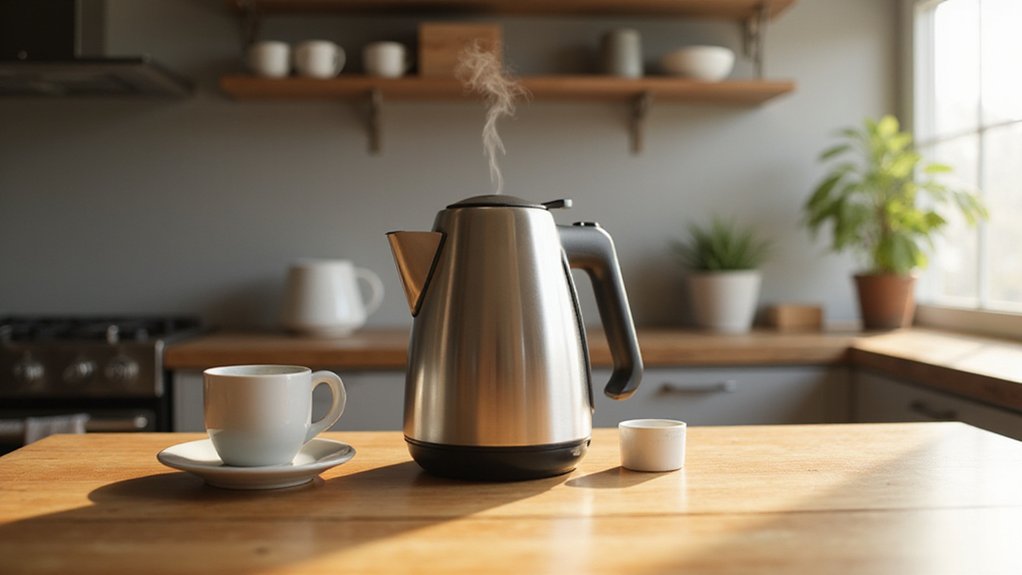
An electric kettle is a small, countertop appliance that quickly boils water using a built-in heating element. When you plug it into your wall outlet and turn it on, the kettle heats the water much faster than traditional stovetop methods. The process is automated: once the water reaches boiling point, an automatic shut-off turns the device off to prevent overboiling. Most models are designed with features like water-level indicators, handles for safety, and lids to contain the heat. Materials vary from stainless steel and glass to durable plastics, offering options for different styles and budgets. Some kettles include extras like boil-dry protection or adjustable temperature controls, but their core function remains simple: to provide hot water quickly and conveniently for drinks, cooking, or other uses. This speed comes from the heating element’s direct contact with the water, which transfers heat far more efficiently than a stovetop burner heating the kettle’s exterior. For those who also enjoy perfectly chilled beverages, the same appliance principles of direct-contact heat transfer apply to nugget ice makers that use efficient cooling methods to produce soft, chewable ice. For consistent performance, the best under-counter models often feature automatic shut-off controls that prevent overheating or water overflow.
How Does an Electric Kettle Actually Work?
When the water reaches about 100 °C, steam is produced and flows through a designated channel to the bimetallic thermostat. This thermostat consists of two bonded metals with different expansion rates. As the steam heats the metal strip, it bends sharply, triggering a latch that automatically switches off the power supply. This quick response prevents the water from boiling over or damaging the kettle. Additionally, if the kettle runs dry, a separate safety cutout activates to prevent overheating. This straightforward system ensures your kettle operates reliably, efficiently, and safely during every use. For those seeking a coffee brewer, a thermal carafe is often preferred for keeping coffee hot without a heating plate. Commercial ice machines require regular cleaning to prevent buildup and maintain efficiency. For buyers, comparing the top commercial models helps identify which unit best fits their production needs.
What Are the Main Parts of an Electric Kettle?
An electric kettle has four main parts: the water reservoir, heating element, power base, and control system. The water reservoir, often made of stainless steel or glass, holds the water and features a spout for controlled pouring. Transparent windows or level markings help you monitor the water level easily.
The heating element, usually a coiled wire or flat disc located at the kettle’s base, converts electricity into heat to quickly bring water to a boil. Keeping this element clean by descaling helps maintain efficient boiling, as limescale buildup can slow performance over time. For comparison, a 30 oz tumbler offers a different kind of capacity suited for keeping beverages cold or hot rather than boiling water.
The detachable power base provides a 360-degree connection, allowing you to lift and place the kettle from any angle without hassle. It supplies power safely and simplifies storage and maintenance.
Your control system includes an on/off switch, thermostat, and auto shut-off feature. Auto shut-off activates once boiling is complete, preventing overheating, while boil-dry protection stops the kettle if there’s no water inside. Regularly checking and cleaning the mesh filter near the spout ensures your kettle functions safely and lasts longer.
What Types of Electric Kettles Should You Consider?
The best type of electric kettle depends on how you plan to use it. For everyday use, a standard model with simple on/off switches works well and heats water quickly. If you want more convenience, a cordless kettle that lifts off its base makes pouring easier and reduces cord clutter. For precise tea brewing or specialty coffee, a variable-temperature kettle allows you to set exact heat levels. A gooseneck kettle offers greater control over water flow, ideal for pour-over brewing.
Material choice impacts durability, visibility, and weight. Stainless steel kettles are robust and long-lasting, while glass models let you watch the water boil, adding a visual appeal. Lightweight plastic options are portable and easy to carry, great for travel. Compact travel kettles fit easily into bags and are suitable for hotel rooms or small spaces. Insulated models keep water hot for longer and are safer for outdoor use, though they require a power source.
Select the kettle type that aligns with your routine and preferences, rather than just focusing on features.
Why Is an Electric Kettle Faster Than a Stovetop?
Electric kettles boil water faster than stovetop models because they have a heating element directly immersed in the water. This direct contact means heat transfers straight into the liquid, reducing energy loss that occurs when heating a pan, burner, or the surrounding air. The efficiency of this energy transfer shortens the time needed to reach boiling. Electric kettles are typically 80–90% efficient, compared to around 60% for stovetop versions, which lose more heat into the kitchen environment. A standard 1500–2000 watt kettle can boil one liter of water in about 3 to 4 minutes, whereas a stovetop may take 6 to 10 minutes for the same volume. This performance relies on keeping the heating element free of mineral buildup, which is why using descaling solution helps maintain efficiency and prevent slowdowns. Less heat waste and direct heating make electric kettles quicker and more energy-efficient options. Similarly, selecting the right pitcher can improve the overall experience of preparing chilled or hot beverages at home. For example, following a simple cleaning routine for your kettle, similar to how you maintain a nugget ice maker, can prevent mineral buildup from returning.
Which Safety Features Matter Most?
Safety features are the most critical aspects to consider when choosing an electric kettle. Prioritize models with automatic shut-off, which automatically turns off the heating element once the water reaches boiling point. This prevents overboiling and reduces the risk of damage or accidents. Combine this with boil-dry protection, which stops heating if there is no water inside, helping prevent fire hazards if you forget to fill the kettle. For portability and convenience, some models even include wheels on coolers similar to those in top pink cooler designs. Look for kettles with cool-touch exteriors and stay-cool handles, especially if you have children. These features help prevent burns during pouring. A stable, cordless base also enhances safety by reducing tipping risks and eliminating cords that can get caught or pulled unexpectedly. Always check for safety certifications like UL 1082; they ensure the kettle meets established safety standards.
Avoid vague claims such as “auto shut-off” alone. Confirm that the model also offers boil-dry protection for comprehensive safety. These features not only protect you and other household members but also extend the lifespan of your kettle by preventing damage from accidents.
How Much Energy Does an Electric Kettle Save?
An electric kettle typically uses between 0.082 and 0.1 kWh per liter of water boiled, which is significantly less than gas or electric coil stoves. Specifically, it consumes about 35–40% less energy than a gas stove and 15–20% less than an induction hob. This lower energy use translates into cost savings—each boil costs roughly one-tenth of your electricity rate. Over time, with daily use, these savings can noticeably reduce your utility bill. To maximize efficiency, only heat the amount of water you need rather than filling the kettle completely. Regular descaling is important, as mineral buildup can decrease heating effectiveness. The direct heating design of electric kettles minimizes heat loss, making them a more energy-efficient option for boiling water. For optimal performance, always refer to the setup guide for correct usage. When selecting a model, check that its heating element is designed for rapid and even heat transfer to maintain efficiency. For example, some lids designed for tumbler insulation also prioritize heat retention, much like a well-sealed kettle.
Surprising Uses for Your Electric Kettle
Your electric kettle is a surprisingly versatile tool that can do much more than just boil water for tea. For quick cooking, you can boil eggs in about 8 to 10 minutes, making it a handy method for fast meals. Pour hot water directly over instant oatmeal, couscous, or small portions of rice in a bowl to prepare a quick, warm dish without waiting for a pot to boil on the stove. If you need filtered hot water, consider that water filter pitchers can improve the taste of your boiled beverages. Beyond cooking, use the hot water to soften dried fruits, nuts, or frozen foods, saving you time and hassle. The boiling water can also sanitize household essentials like baby bottles, utensils, or small jars, helping ensure hygiene easily. For stubborn residues, soak pans or cutlery in hot water to loosen sticky or burnt-on residues. Steaming from the kettle can help relieve nasal congestion or be used to warm saltwater for gargling. When traveling or during power outages, your kettle becomes a portable source of hot water for mixing baby formula, preparing instant soups, or steaming clothes to remove wrinkles. It’s a multitasker that’s useful in many everyday scenarios. For longer-lasting use, consider choosing a stainless steel kettle which is more durable than glass models. To keep your kettle functioning well, regularly perform a deep-clean using vinegar or citric acid to remove mineral buildup.
How to Choose the Best Electric Kettle for Your Kitchen
Start by considering the capacity you need. A 1.2-liter model is ideal for single-person use, while a 1.7-liter kettle suits families or households with multiple tea or coffee drinkers. Larger capacities save you time if you frequently prepare multiple cups at once. For pour over coffee, a gooseneck kettle offers precise control over water flow.
Boil speed is crucial—aim for a kettle with a power rating between 2.2 and 3 kilowatts. This range typically boils a liter of water in about three minutes, saving you waiting time. If you prefer green tea, opt for a model with adjustable temperature control that can brew at around 80°C, ensuring the delicate flavors are preserved. For optimal convenience, consider models that also offer high-quality ice cube trays for chilling your beverages. Properly chilled beverages can be maintained using ice pack technology to extend cold temperatures beyond initial ice melt.